Plenaries
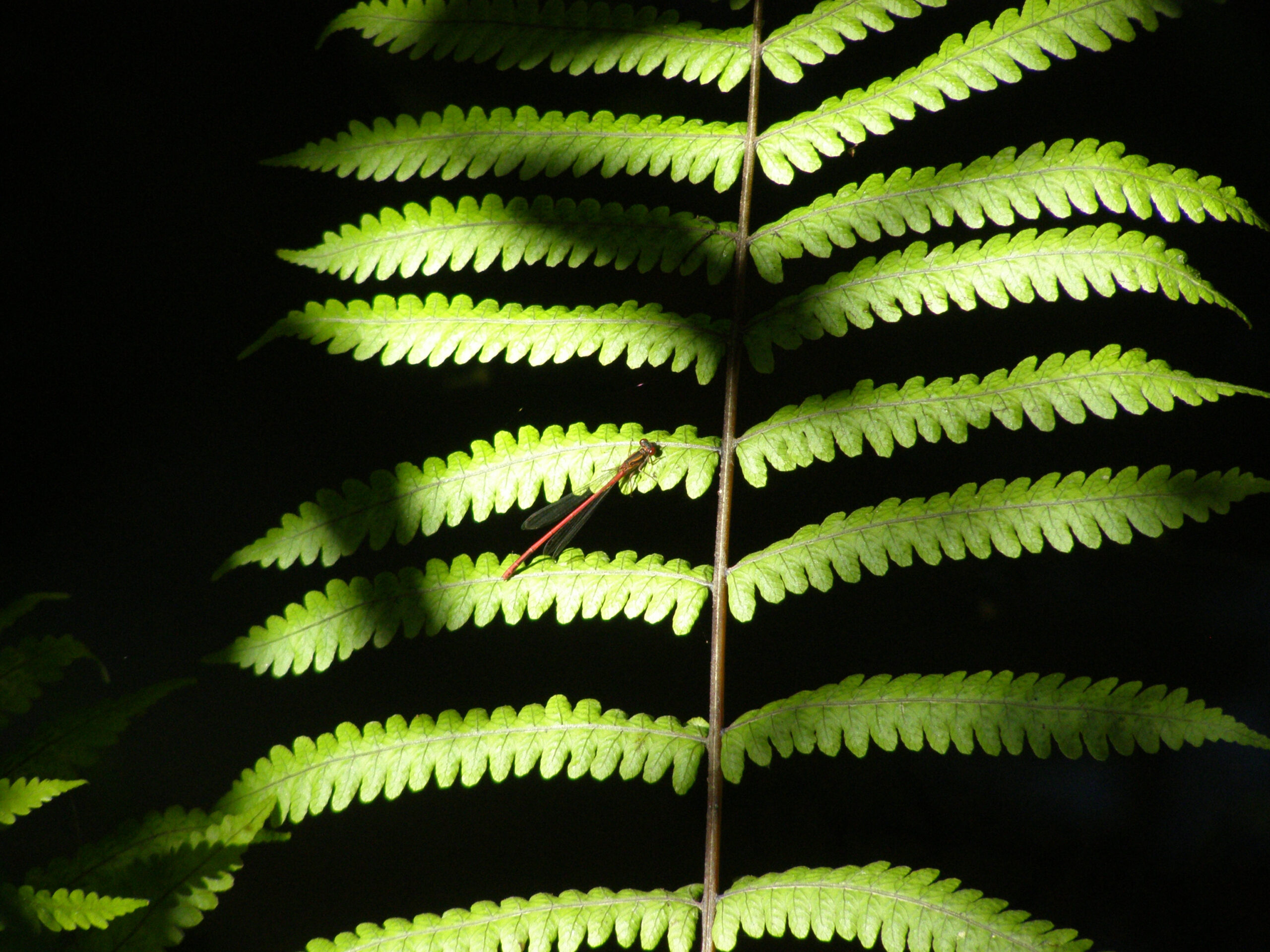 Image by Josie Galbraith
AOC 2027 Plenary Speakers
We are excited to announce the following plenary speakers will be presenting at AOC 2027.
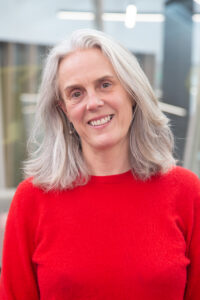
Prof. Kate Buchanan
Deakin University
2026 BirdLife Australia Serventy medalist
Kate is interested in how avian development responds to environmental stimuli, to allow birds to thrive in the changing world into which they emerge. In Australia her research has mostly focused on the developmental physiology and behaviour of zebra finches. She uses a number of techniques including bioacoustics, endocrine and immune assays. Current projects include assessing the role of early sound and light stimuli for changing embryonic development, as well as assessing how and when avian embryos start to show circadian rhythms, including the timing of hatching. Kate hails originally from Scotland, with her first degree from University of Glasgow, UK and her Ph.D. on song and sexual signalling in migratory sedge warblers, from the University of London, UK (1997). In 2008 she relocated to Deakin University, Australia and 2009 she took up the role of Editor-in-Chief for Birdlife Australia’s journal Emu Austral Ornithology, a role she held until 2024. She held an ARC Future Fellowship 2015-21 and was a member of the ARC College of Experts 2021-5.

Yvonne Taura
New Zealand Institute for Bioeconomy Science Limited
Yvonne (Ngāiterangi, Ngāti Ranginui, Ngāti Hauā, Ngāti Uenuku, Ngāti Tūwharetoa) is a kairangahau Māori (Māori Researcher) for Bioeconomy Science Institute, Manaaki Whenua – Landcare Research group. For more than a decade, she has contributed to environmental research that brings together mātauranga Māori, science, and community aspirations to support wetland restoration, science education, and Indigenous knowledge exchange. She is a co-editor of the influential Te Reo o Te Repo wetland handbook series, which showcases Māori knowledge, values, and perspectives on wetland restoration from across Aotearoa.
Yvonne is known for building strong partnerships with iwi, hapū, kaitiaki, scientists, educators, and community groups. Through collaborative and relationship-based research, she helps co-develop projects that are both scientifically robust and culturally meaningful. Her work spans wetland restoration, kai sovereignty, climate change adaptation, science communication, and environmental education, with a particular interest in storytelling as a tool for sharing knowledge and strengthening connections between people and place.
More recently, Yvonne has led research and educational initiatives, including Ngā Taonga o Ngā Manu and Tuihonoa Te Reo o Te Repo, to foster the next generation of kaitiaki and scientists. As project lead for Ngā Taonga o Ngā Manu, she worked with hapū, kaiako, and science educators to create culturally grounded approaches that engaged tamariki Māori in bird conservation, biodiversity monitoring, and citizen science. Through local pūrākau, waiata, mātauranga-a-hapū, and hands-on learning, the project connected young people with the cultural and ecological significance of local bird species while encouraging participation in the New Zealand Garden Bird Survey.
Through her recent collaborations with the Science Learning Hub, Yvonne has led the development of bilingual educational resources helping inspire future researchers, environmental leaders, and kaitiaki. She is currently completing a PhD at the University of Waikato exploring the communication of mātauranga Māori and Māori-centred collaborative science.
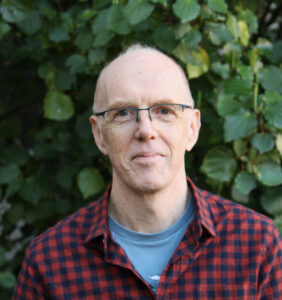
Dr Phil Battley
Massey University
Phil works principally on the biology of migratory shorebirds, particularly those that make huge trans-hemispheric journeys. By a quirk of history and geology, I was born in an isolated country in the southwest Pacific with a low (and declining) diversity of migratory shorebirds (New Zealand). Little did I know that this isolation, at the southernmost end of the East Asian-Australasian Flyway, would turn out to have enabled one of the world’s truly incredible migrations to exist. These migrations, of Bar-tailed Godwits moving between Alaska and New Zealand, have been the focus of a range of research endeavours in recent decades. While their record-breaking flight lengths have gathered public attention (and Guiness Book of World Record entries), they have much more to offer the research world.
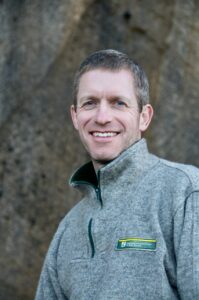
Dr Andrew Digby
Department of Conservation – Te Papa Atawhai
Andrew is a conservation biologist at New Zealand’s Department of Conservation, working at the scientist for the Kākāpō and Takahē Recovery Programmes. He works closely with field teams and scientists to address the challenges facing these species through research across a wide range of disciplines, including genetics, microbiology, epidemiology, and movement ecology. Andrew initially trained in Astrophysics at the Universities of Cambridge and Edinburgh, and later held a NASA postdoctoral fellowship at the American Museum of Natural History in New York. He transitioned to conservation biology through a PhD at Te Herenga Waka—Victoria University of Wellington, where he focused on kiwi behaviour and conservation techniques. His research and work can be followed on BlueSky (@digs.bsky.social)